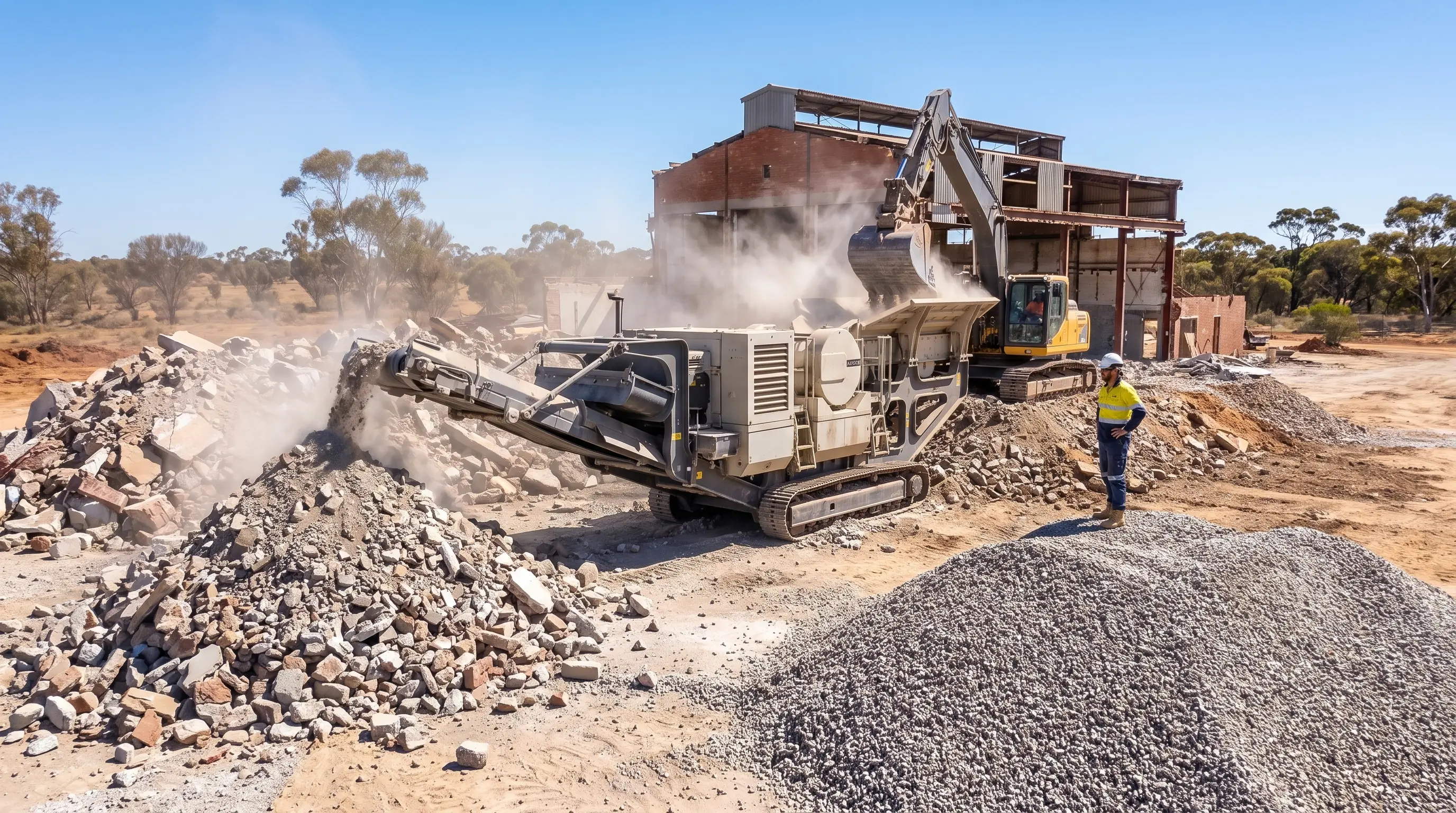
Australia’s latest national waste figures, released on 22 September 2026, show record volumes of material recovered and recycled in 2024-25. The country generated 79 million tonnes of waste that year, and nearly every state and territory lifted its recovery rate. Construction and demolition was the largest waste category, and it recycled the most: more than 80%.
The longer trend runs the same way. The ABS waste account for 2018-19 put Australia’s total at 75.8 million tonnes, with over half, 38.5 million tonnes, sent to recycling and 27% to landfill. In that account the construction industry produced 12.7 million tonnes of waste and spent $2 billion on waste services, a 35% increase since 2016-17. Across all sectors, masonry materials came to 22.7 million tonnes, 8 million of it from construction. Concrete, brick and rubble are the category a jaw crusher was built to process.
The national target is 80% average recovery from all waste streams by 2030. Reaching it depends on what happens to concrete and masonry on demolition sites. Contractors who process that material on-site are not waiting for government infrastructure grants to close the gap. They are the infrastructure.
What Demolition Waste Actually Contains
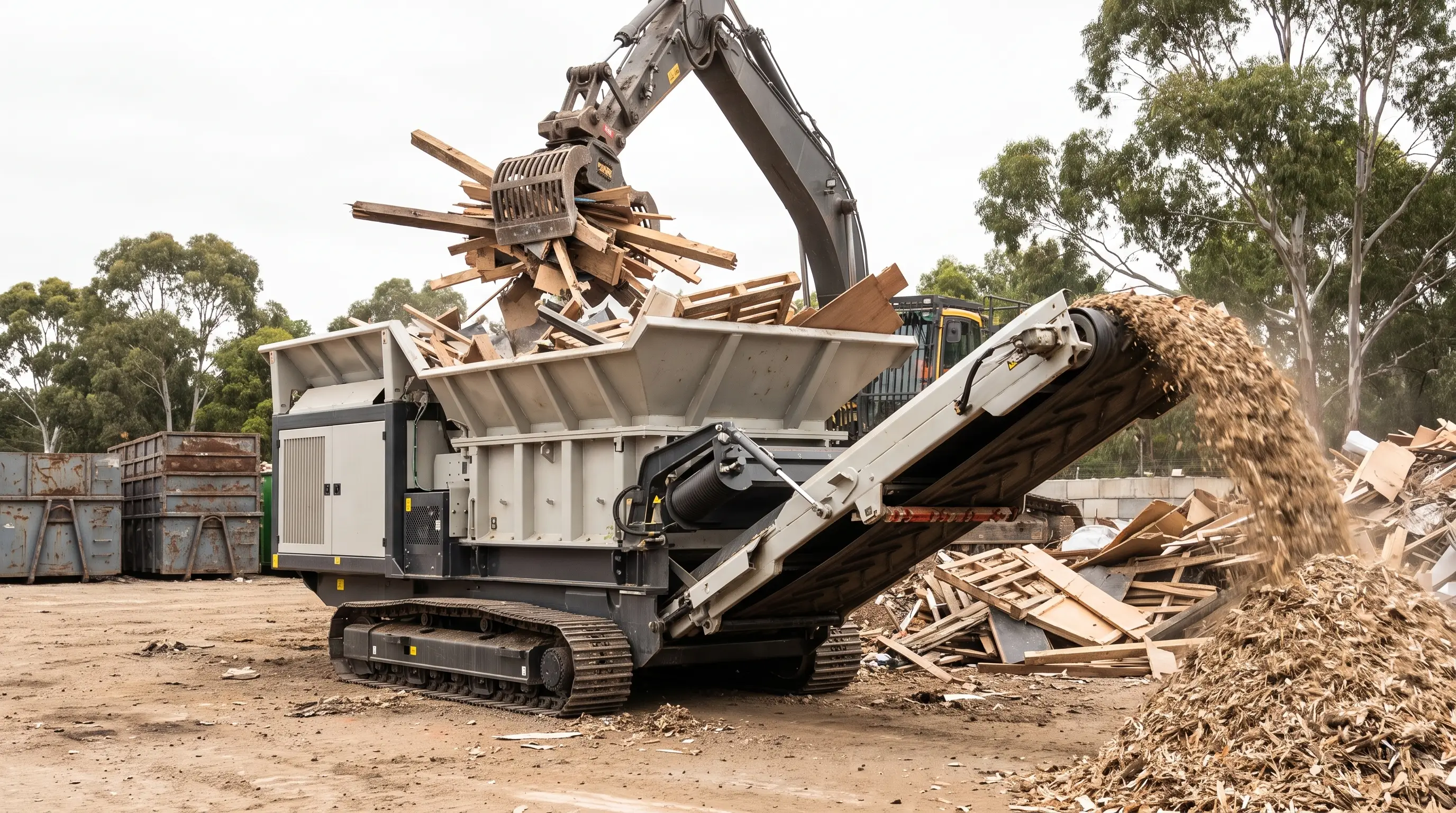
Demolition waste is not one material. It is a mix of concrete, masonry, steel, timber, and hazardous substances, each with different recycling pathways.
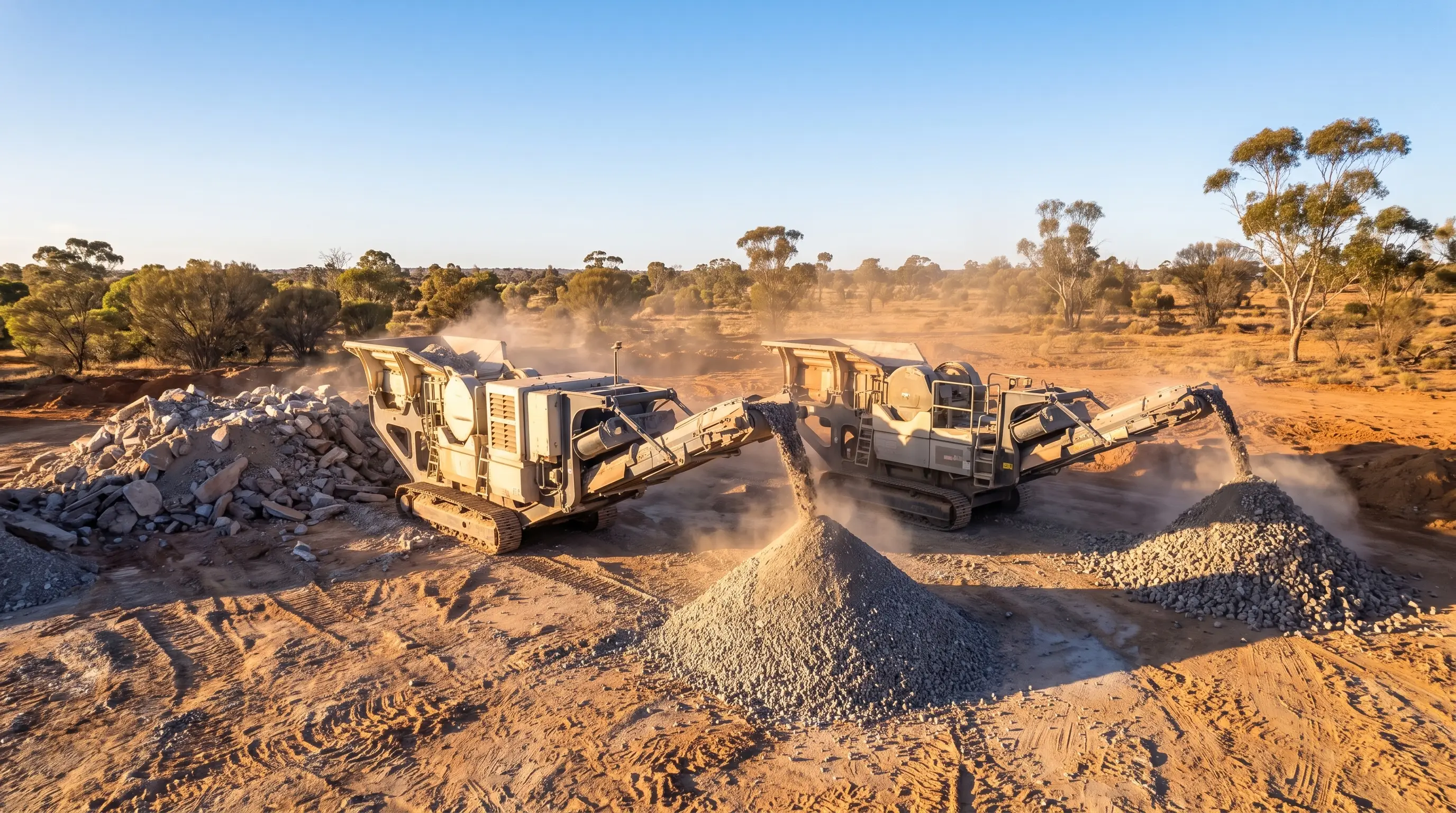
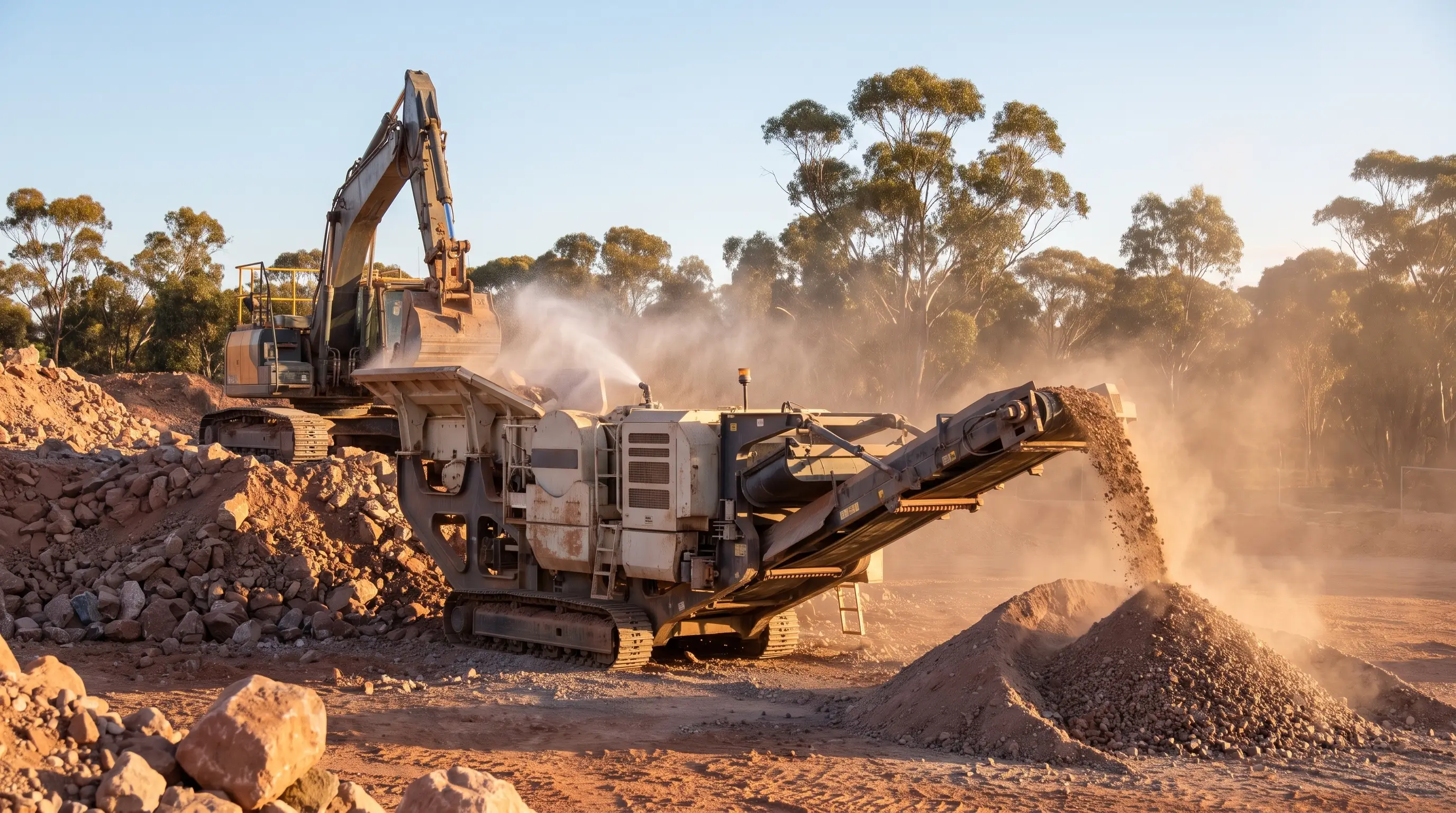
Concrete and masonry make up the bulk. This material can be crushed and repurposed for road base or aggregate, which makes on-site processing both an environmental and an economic decision. A contractor with a mobile crusher turns a disposal cost into a usable product. For a breakdown of what that recovered material can do, see our guide to what you can build with recycled concrete aggregate. The full process, from slab to stockpile, is covered in our concrete recycling article.
Steel follows its own path. It is one of the most recyclable demolition materials, typically collected on-site, sent to a processor, and melted down for reuse. Proper collection and processing of scrap metal significantly reduces the carbon footprint of a demolition project.
Timber, plastics, and hazardous materials each need separate handling. But by volume, the concrete fraction dominates, and it is the fraction where a crusher makes the difference.
State Targets Are Getting Harder to Ignore
The national policy shift traces back to 2018, when China banned recycled waste imports and forced Australia to deal with its own waste streams. The Federal Government responded by setting a course toward a circular economy, moving away from the linear “take, make, dispose” model.
The 2019 National Waste Policy Action Plan put numbers on it: 80% average recovery by 2030, a 10% per capita reduction in total waste generated, and a 50% cut to organic waste going to landfill, all by the same deadline.
Some states are pushing further. South Australia targets a 95% diversion rate specifically for construction and demolition waste. Victoria has committed hundreds of millions of dollars to overhaul its recycling system, with a target to divert 80% of waste from landfill by 2030.
The infrastructure gap, however, remains the biggest hurdle. Insufficient capacity across plastics, e-waste, organics, paper and cardboard continues to hold recovery rates back. For C&D waste, mobile crushing is one of the few solutions that does not require a new facility, a council permit for a fixed plant, or a decade-long planning cycle.
On-Site Crushing Fills a Gap That Public Funding Cannot
The Federal Government’s $190 million Recycling Modernisation Fund, designed to leverage over $600 million in total recycling infrastructure investment from state governments and industry, tells you how much public money is chasing the problem. That money targets large-scale recycling facilities. It does not arrive on a demolition site the week you need to process 2,000 tonnes of broken slab.
A mobile jaw crusher does. It turns part of what the construction industry spends on waste services, $2 billion in 2018-19, from a pure cost into recovered aggregate with resale or reuse value. The economics change the moment material stays on-site instead of leaving in a truck. For a detailed comparison of the numbers, see our articles on demolition waste disposal costs and concrete crusher hire costs.
The choice between mobile and fixed plant matters here. A mobile crusher goes where the waste is, processes it in days, and moves on. A fixed installation serves a region but requires capital, land, and approvals. For contractors working across multiple sites, the mobile option matches the workflow.
The Commercial Case for Crushing Now
Sustainable demolition practices deliver direct cost savings. That is not a talking point. When you stop paying to cart concrete to landfill and start producing road base from the same material, the line item flips. The savings compound across a multi-site operation.
The compliance argument is equally concrete. As state targets tighten, particularly South Australia’s 95% C&D diversion target, the ability to prove on-site recycling capability becomes a differentiator in tender submissions.
The broader economic signal points the same way. A KPMG study for CSIRO estimated that a circular economy in just three sectors, food, transport and the built environment, could add $210 billion to GDP in present-value terms and 17,000 full-time jobs by 2047-48. The contractors who build recycling into their operations now will be positioned for that shift. Those still paying to dump are exposed to every landfill levy rise.
Where to Start
If you have not priced a mobile crusher for your operation, our cost guide covers purchase and hire rates across machine classes. For operators already running equipment, crusher wear parts and jaw crusher maintenance are the two areas where production efficiency lives or dies.
The recycling rate is climbing because the policy, the economics, and the waste volumes all point the same direction. Demolition contractors are not bystanders in that trend. They are the ones with the material, the sites, and the machines to make the numbers move.
Frequently Asked Questions
What percentage of Australia’s waste comes from the construction industry?
Construction and demolition was the largest waste category in the 2024-25 national report, and more than 80% of it was recycled. In the ABS waste account for 2018-19, the construction industry generated 12.7 million tonnes of waste, 16.8% of the national total and second only to manufacturing.
What is Australia’s national waste recovery target?
The National Waste Policy Action Plan 2019 sets a target of 80% average recovery from all waste streams by 2030. Some states have higher targets. South Australia, for example, aims for 95% diversion of construction and demolition waste.
Can demolished concrete be recycled on-site?
Yes. Concrete can be crushed and repurposed as road base or aggregate using a mobile jaw crusher. This avoids landfill disposal costs and produces material that can be reused on the same project or sold.