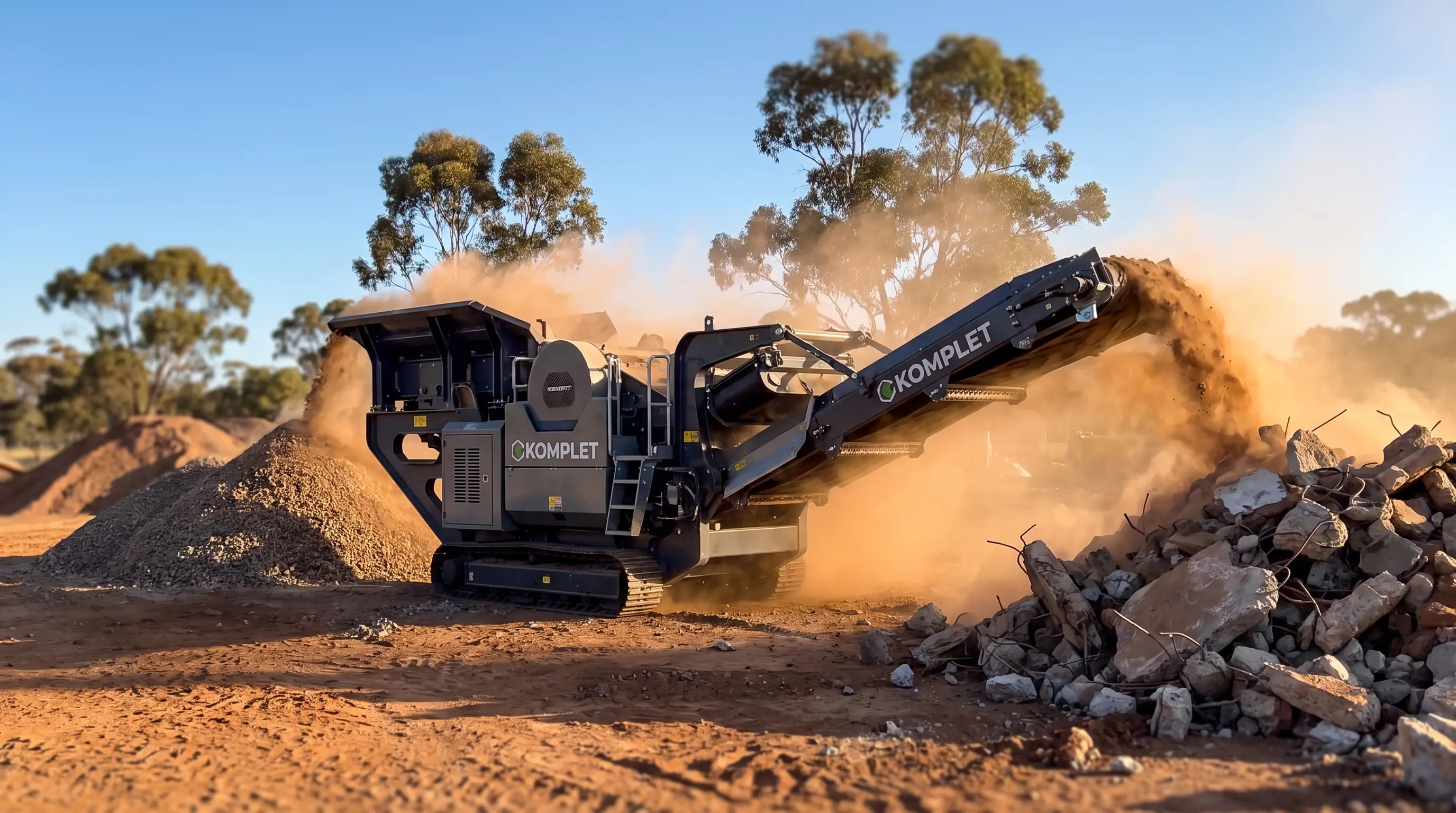
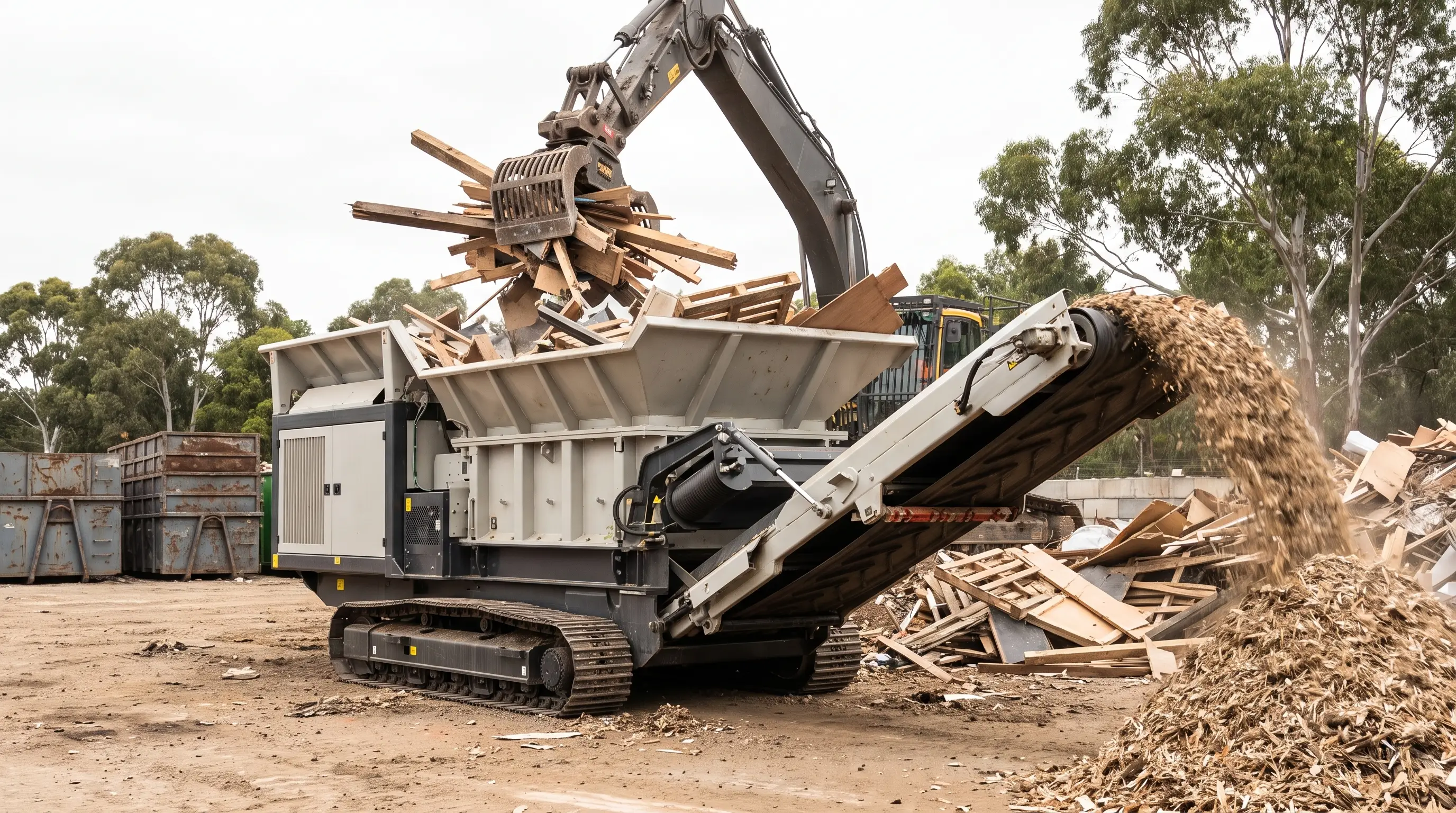
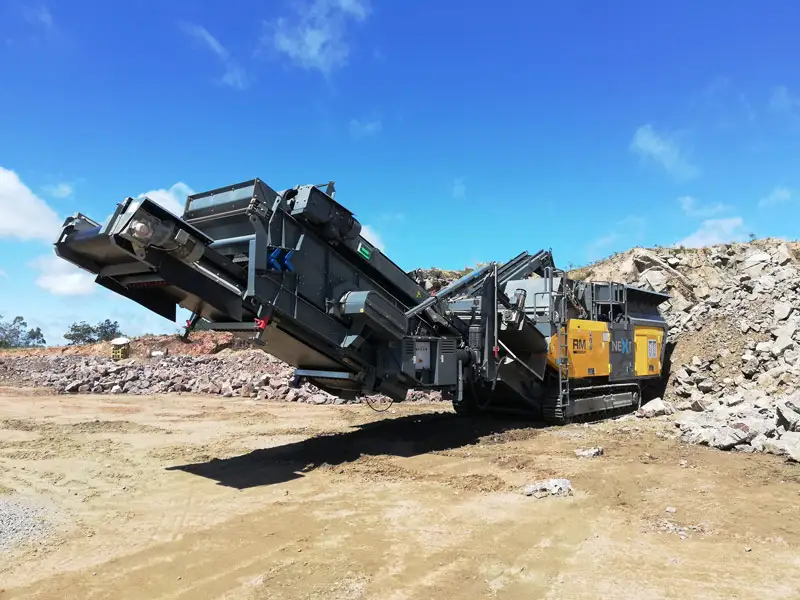
Run a mobile crusher on a New South Wales site and you answer to that state’s WHS Act. Move the same machine, the same operator and the same feed over the border into Victoria and it falls under the Occupational Health and Safety Act 2004 instead. The crusher hasn’t changed. The guarding standards it was built to haven’t changed. What changed is the terminology, the paperwork and which regulator is looking over your shoulder.
Quick answer: Australia runs one national framework for machinery safety: the model WHS laws, adopted everywhere except Victoria, plus the 26-part AS/NZS 4024 standard. For a mobile crusher that means guarding and design rules stay the same nationally, while terminology, regulator priorities and minor legislative details shift state by state.
The national backbone: model WHS laws and AS/NZS 4024
Start with what stays the same. The model WHS laws have been implemented in every jurisdiction except Victoria, and the duties they set are consistent across the adopting states, subject to minor variations. Safe Work Australia maintains these model laws, but it does not regulate or enforce them; each state’s regulator does that job.
On the machinery side sits AS/NZS 4024:2019, the safety-of-machinery series. It runs to 26 parts, built on European (EN) and International (ISO) standards with some local modifications. The series covers risk assessment, safeguarding and access control, and it is the document that decides whether a crusher’s guarding is compliant. One part, AS/NZS 4024.1801:2014, sets the safety distances that keep upper and lower limbs out of danger zones.
The Victoria exception: OHS vs WHS
Victoria is the holdout. It works under the Occupational Health and Safety Act 2004 and the OHS Regulations 2017, while every other jurisdiction uses WHS. Western Australia moved to WHS in 2022, which left Victoria as the only state still working under OHS.
The gap is jurisdictional, not practical. OHS and WHS describe the same underlying thing: the laws and systems that stop people being hurt at work. The difference shows up in the Act’s name on a pre-start checklist, the codes of practice cited, and which regulator’s notices you read.
For an operator running jobs on both sides of a state border, the message is small but real: you keep two sets of terminology straight even though the duties underneath are near-identical.
Where state regulators set their own priorities
The national framework sets the floor. The states decide where to point the torch. Each regulator has issued its own guidance on crushing plant, and they do not all chase the same problem.
| Regulator | State | Crusher safety focus |
|---|---|---|
| Resources Regulator | NSW | Lanyard emergency stop circuits bypassed with travel plugs or travel mode switches |
| SafeWork SA | SA | Safe systems of work for using and maintaining mobile impact crushers in mines |
| WorkSafe Queensland | QLD | Silica dust: water sprays plus an isolated operator on construction sites |
Same machine, three different enforcement messages.
In New South Wales, the Resources Regulator issued a safety bulletin after repeated site visits found mobile crushing and screening equipment running with lanyard emergency stop circuits bypassed using travel plugs or travel mode switches. Bypassing the lanyard, whether intentional or not, disables a control that is there to stop the plant in an emergency.
South Australia’s SafeWork SA has reminded mining operators to develop and implement a safe system of work for the use and maintenance of mobile impact crushers, following the manufacturer’s instructions.
Queensland’s crushing machines guidance is about silica dust. On construction sites it calls for water sprays or mists at the crusher and other dust points, plus either a ventilated operator booth or a remote-control station. With those controls in place, it says respiratory protection is not required. That ties directly into the dust suppression side of running a crusher.
What this means for a mobile crusher operator
Strip away the terminology and the answer is workable. Make sure the machine complies with the Australian standards before it goes to work, and keep the factory guarding, lanyards and emergency stops exactly as they were commissioned. A properly set up mobile crushing operation should not need anyone on the crusher access platform during normal crushing.
The operator-level habits are the same everywhere: pre-start checks done to the manufacturer’s instructions, the right PPE for the task, isolation before anyone goes near a blockage, and a safe distance from the machine while it runs. Regular jaw crusher maintenance belongs in the same routine.
The thing that shifts is your reading list. Because enforcement priorities differ, you stay current with each state regulator’s bulletins for the states you work in. A NSW operator checks that no lanyard has been bypassed for travel; a Queensland operator on a construction site checks that the water sprays and the operator booth or remote station are working before crushing starts.
Know when they differ, know when they don’t
The dividing line is simple enough to act on. National and fixed: the model WHS duties and the 26-part AS/NZS 4024 machinery standard. State-variant: terminology (Victoria’s OHS), enforcement priorities, and the minor legislative variations each adopting jurisdiction made.
We deliver crushers Australia-wide, and every machine comes with commissioning and operator handover. That handover is where the lanyards, guarding, isolation points and dust controls get walked through for the site the machine is going to. If the job does not warrant a purchase, crusher hire is available too.
Build compliance on the national framework, then watch the state regulator where the machine is working. That covers both halves of the question. If you want to talk through a machine for a specific site, get in touch.