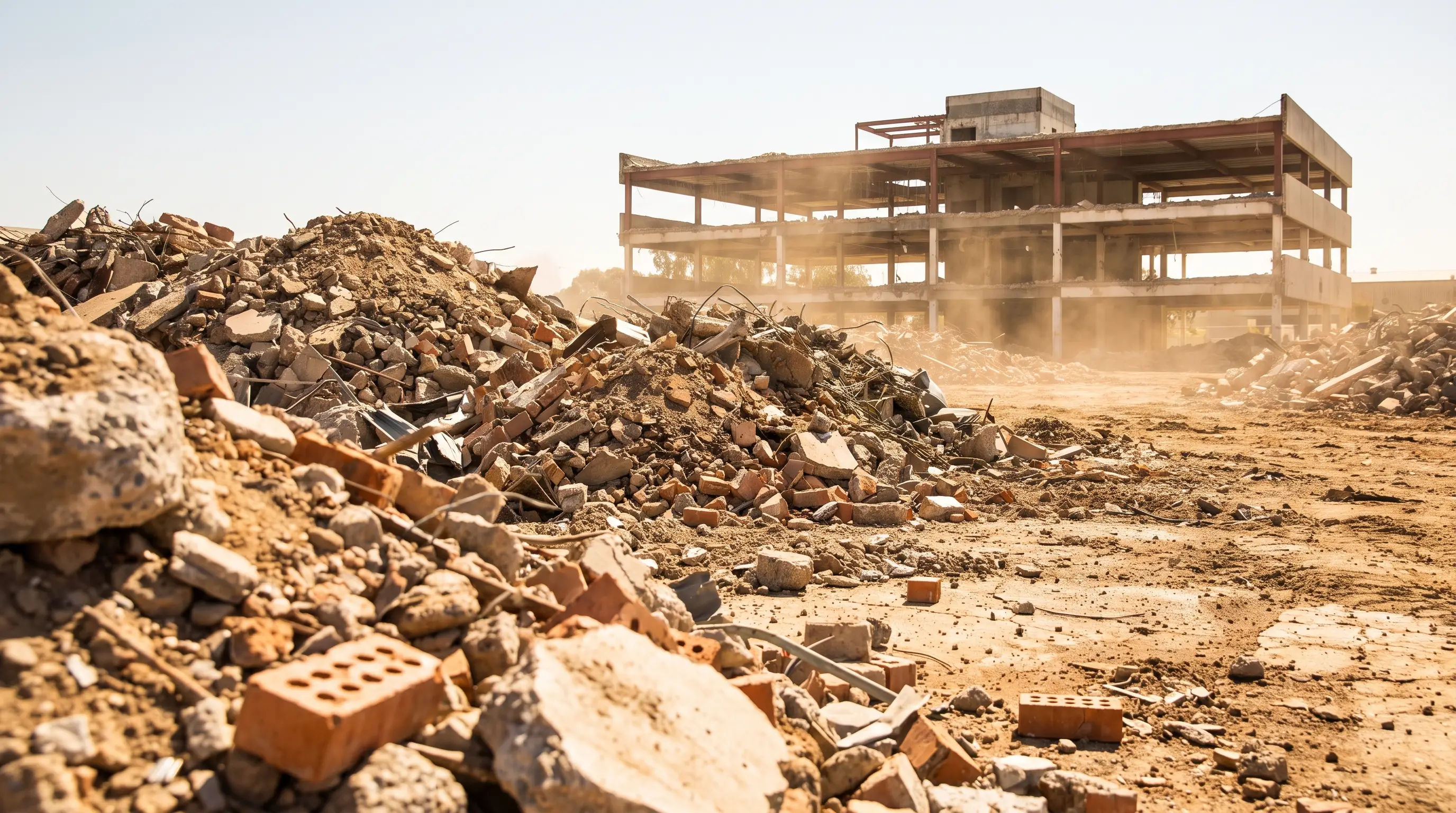
A demolition quote rarely itemises the cost of the rubble the job creates. You see a figure for the knock-down and the labour, then a line for waste removal that hides how the number was built. The real price of demolition waste comes in layers: a gate fee at the tip, a state levy per tonne, and the trucking to get every load there. On a big job those layers can double or triple the rate you budgeted for.
The volume involved makes this a genuine line item, not a rounding error. Australia generated 75.6 million tonnes of waste in 2022-23, and building and demolition materials made up 26.8 million tonnes of it. Construction produces 44% of the nation’s yearly waste, costing the industry more than $2 billion a year in disposal fees alone. That is why the number keeps climbing, and why more sites crush concrete on the ground instead of carting it away.
The three layers you’re actually paying for
Most quotes bundle three separate costs into one line.
The gate fee is what the landfill charges per tonne for a load. Putrescible waste, the mixed material a teardown produces, runs $45 to $105 per tonne in urban areas and $42 to $102 per tonne in rural ones.
The state levy sits on top of the gate fee, charged per tonne sent to landfill, and it exists to make dumping expensive. Regulations have deliberately pushed landfill disposal costs up to cut waste.
Transport is the truck, the driver, and the distance, and it carries a minimum call-out regardless of how light the load is.
The levy is the layer most people miss. In NSW the metropolitan levy is $162.20 per tonne, on top of whatever the tip charges as a gate fee. Small jobs get clipped by minimums too: Goodbye Rubbish Removal charges a minimum of $349 a job no matter the load size.
Cost by waste type
Not all demolition waste costs the same, and the spread is wide.
| Waste type | Cost per tonne |
|---|---|
| Soil and dirt | $90 - $140 |
| Liquid waste | $100 - $350 |
| Green waste | $110 - $210 |
| General waste | $160 - $260 |
| Construction waste | $170 - $320 |
| Hazardous waste | $300 - $750 |
| Asbestos | $400 - $600 |
Clean fill can leave the site for $90 to $140 a tonne, while construction waste, the mixed brick, plaster, and timber of a teardown, runs $170 to $320. Classify a load as hazardous and the price jumps to $300 to $750 a tonne, or $400 to $600 for asbestos. The cheapest line is not in that table, though. Recycling services cost $75 to $125 a tonne, roughly half what construction waste costs to tip. Separating the concrete and masonry before binning can shift a load from the higher construction waste bracket toward the lower recycling rate.
Where you are changes the price
The levy is set state by state, and the gap is wide. New South Wales has the highest waste levy rates in the country, with metropolitan levies above $100 a tonne and approaching $160 a tonne for some facility types. This is why haul distance quietly becomes part of a demo quote: the same job dumped in the Sydney basin costs more than one sent regional. Inside NSW that split is starker than any gate fee, at $162.20 per tonne metropolitan against $93.40 regional.
Why recycling beats the landfill
Construction and demolition waste is already recycled at a rate around 67%. The economics push that direction. Recycling services at $75 to $125 a tonne undercut construction waste disposal at $170 to $320 a tonne, and every recycled tonne skips the landfill levy entirely.
The shift is compounding at scale. Reuse and recycling of construction and demolition waste grew 39% to 23.6 million tonnes across six years of reporting. Contractors are not recycling out of goodwill; they are avoiding a layered dumping cost.
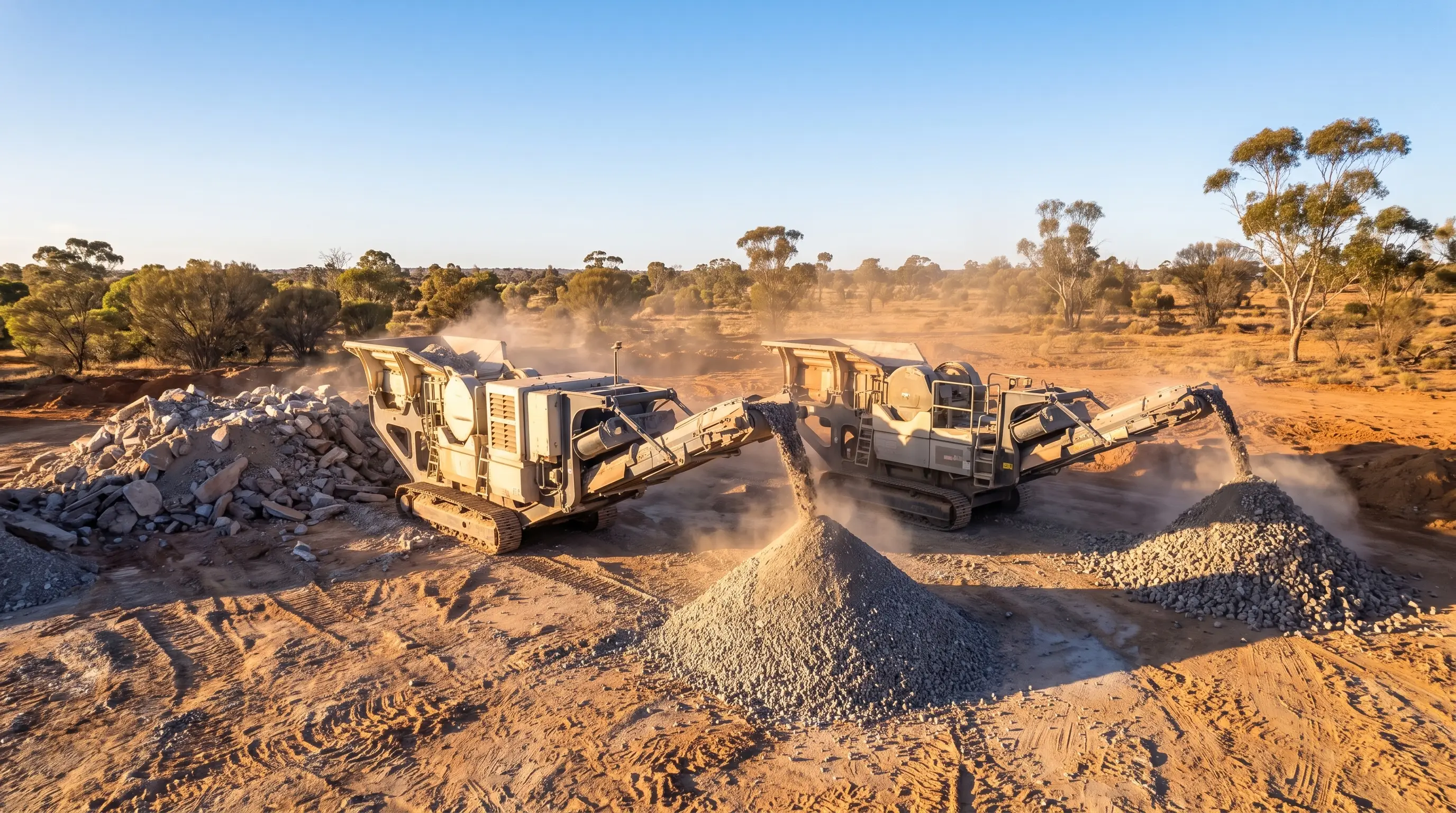
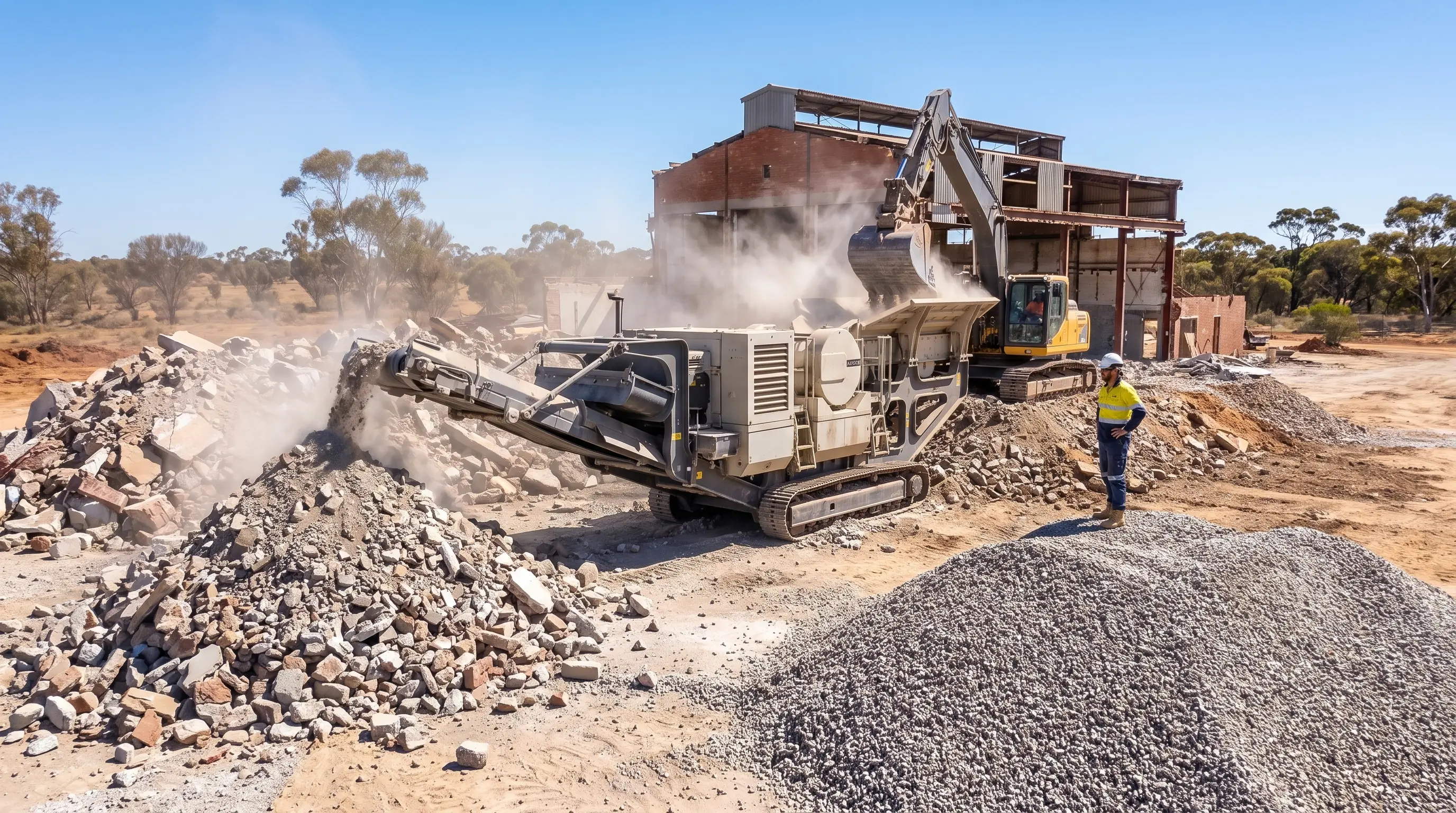
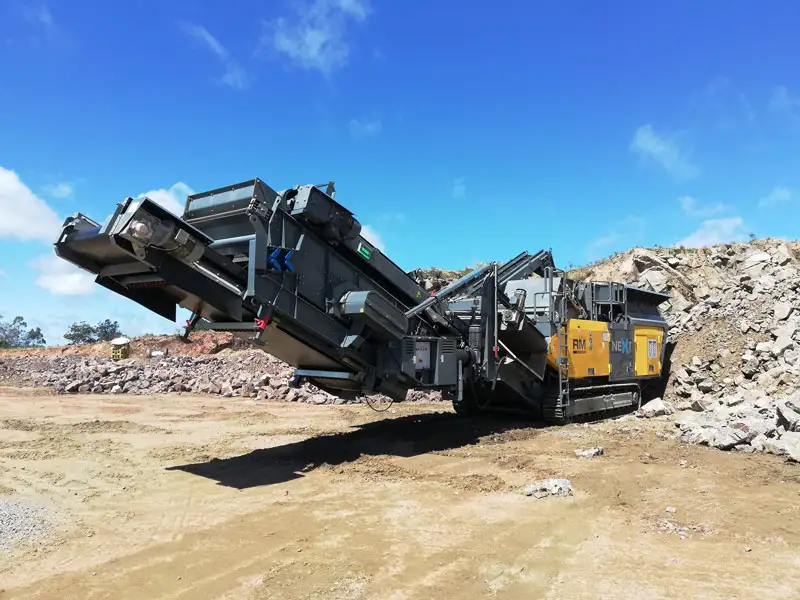
On a demo that means crushing concrete, brick, and masonry on site instead of binning it. A mobile crusher turns a pile of expensive construction waste into recycled aggregate you can reuse as road base or backfill, or sell. jawscrushers.com.au supplies the crushers that make this happen, replacing skip bins and tipping fees with a pile of usable product. Instead of paying $170 to $320 a tonne to have concrete hauled away, the same material becomes aggregate sized for reuse, the process jawscrushers.com.au details in its concrete recycling guide.
Cutting the waste bill on your next demo
The real cost of demolition waste is not the number on the rate card. It is a gate fee, plus a levy that runs to $162.20 a tonne in NSW metro, plus trucking, plus whatever minimum applies. Cutting it means keeping material off the tip: separate the recyclable concrete and masonry, crush it on site, and send only the residual to landfill.
That is the difference between paying $170 to $320 a tonne to dump construction waste and producing aggregate at the recycling rate of $75 to $125 a tonne. Treat concrete as feedstock instead of rubbish, and the disposal line on your next quote shrinks on its own.