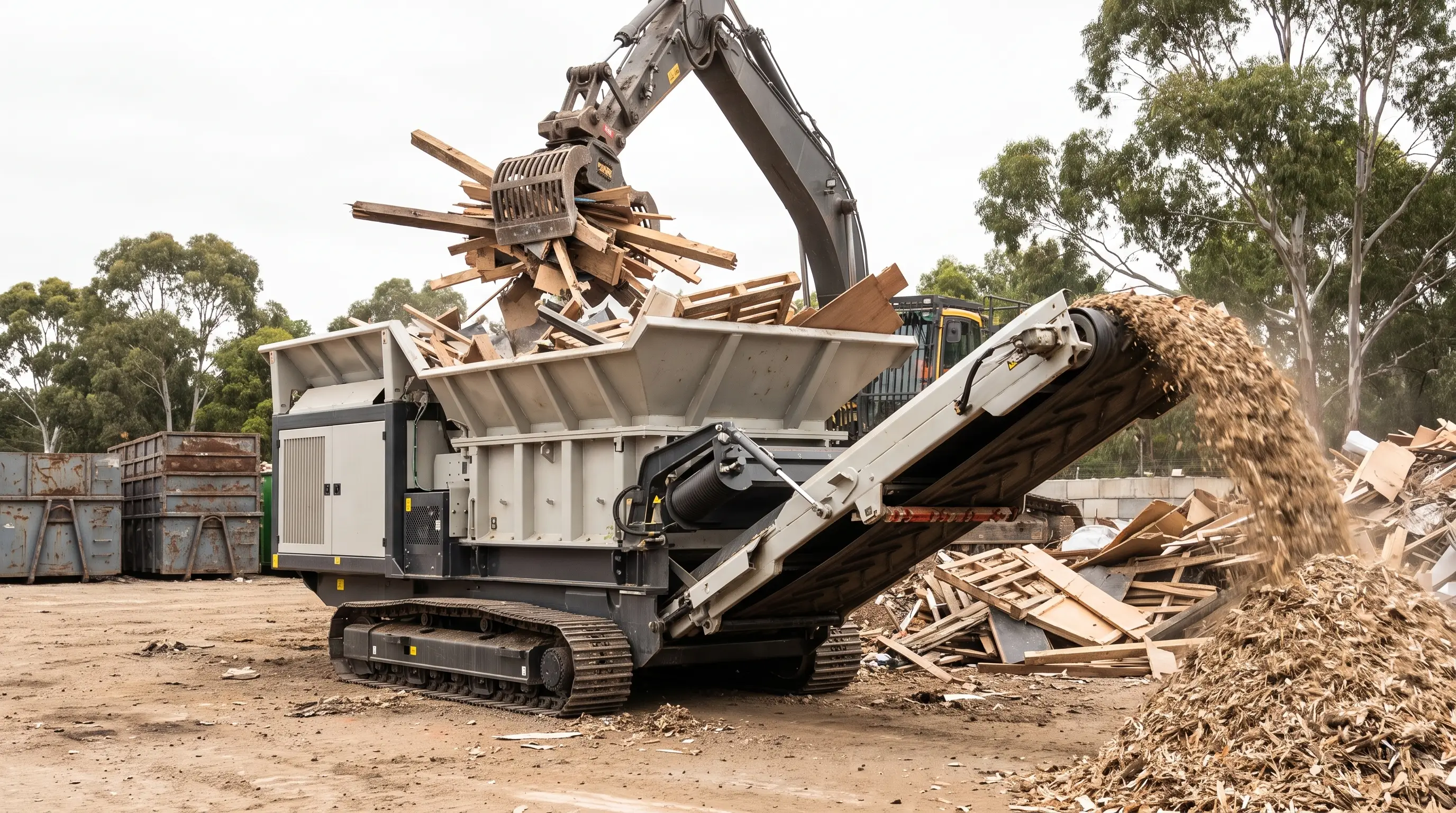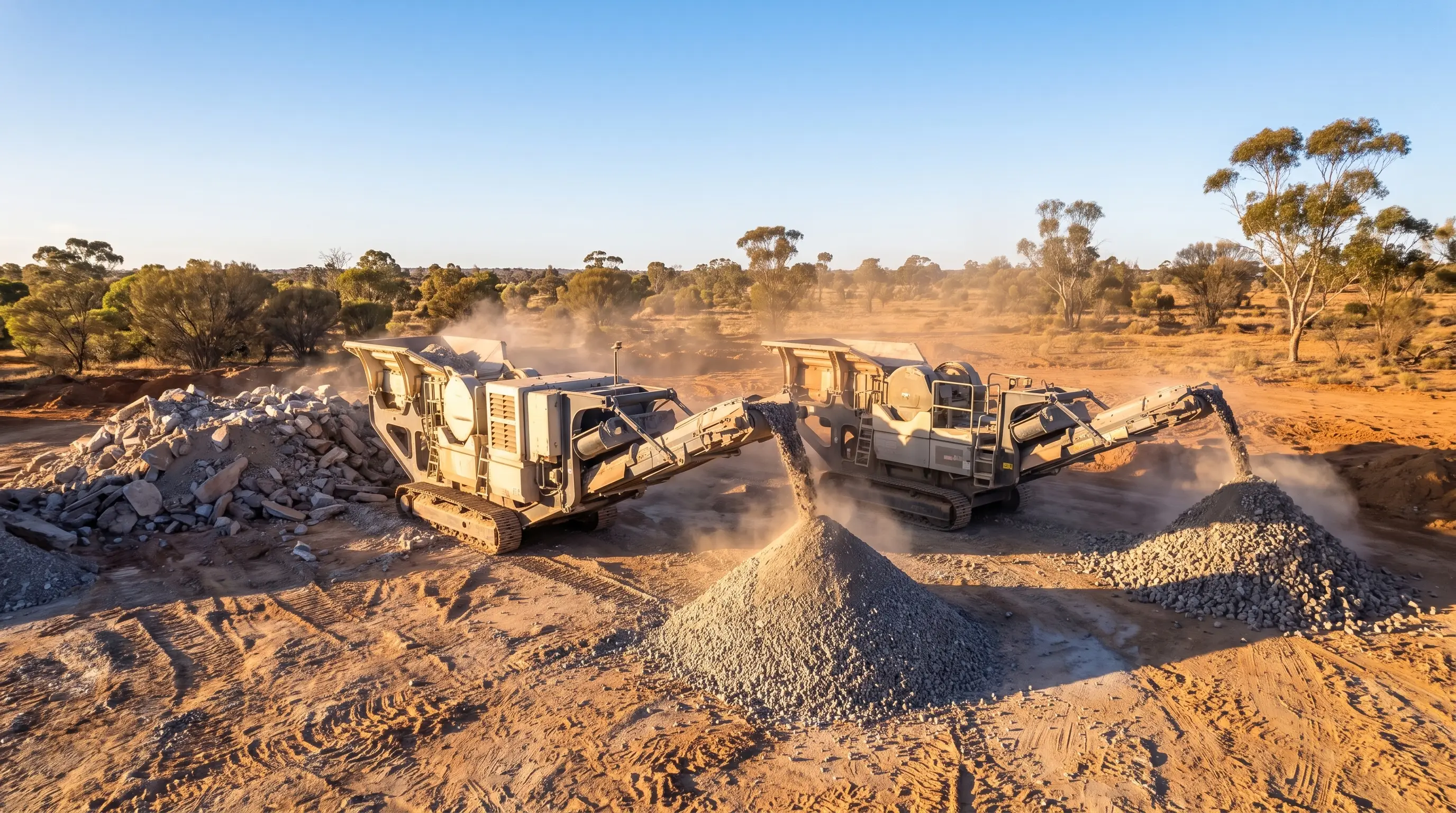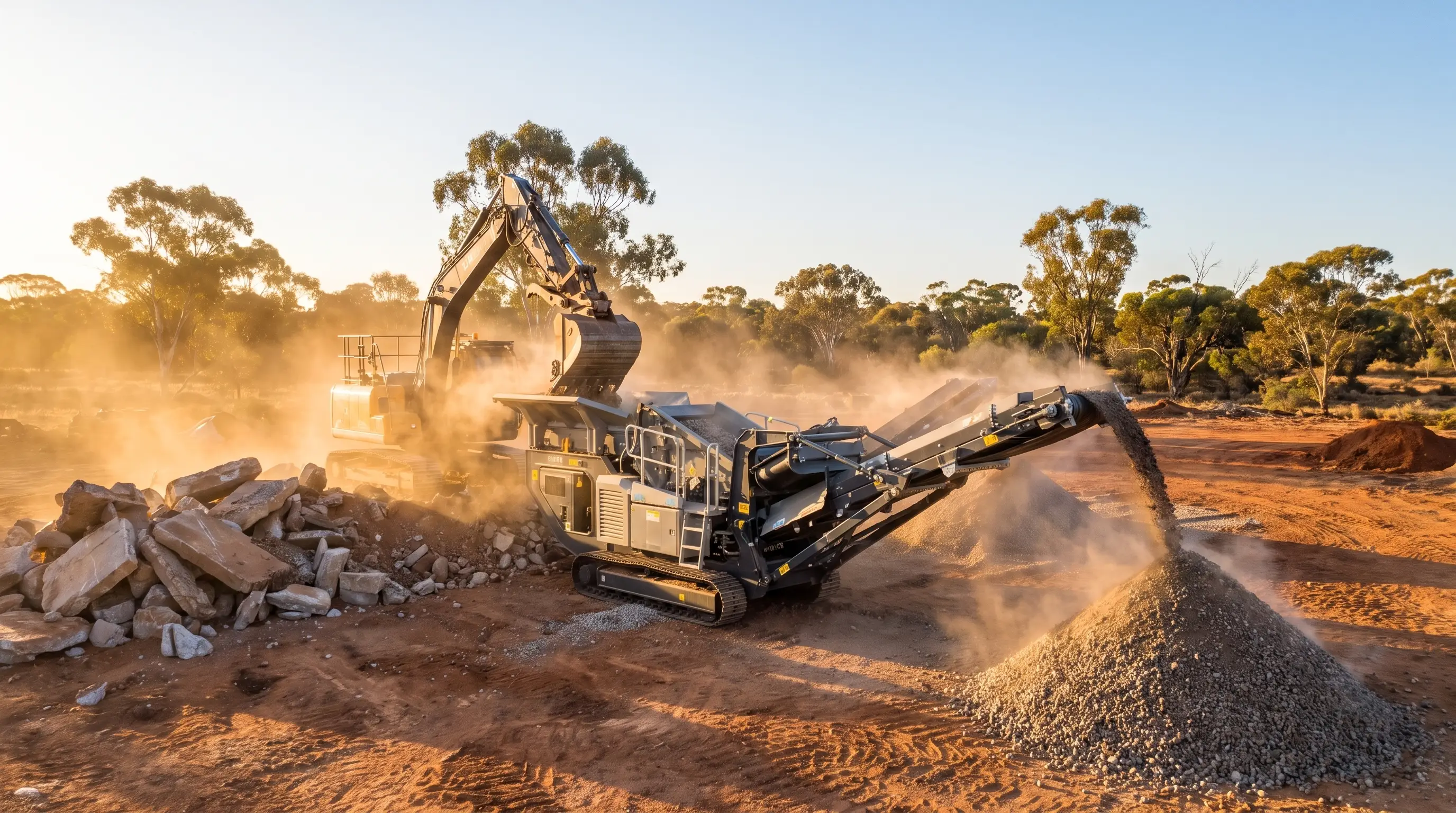
Every contractor who pays to dump concrete knows the number. Add it up across a year and it becomes the line item that makes you wince. The same material you are paying to lose is aggregate someone else is paying to buy. A mobile crusher closes that gap, and the machines that do it are smaller and more accessible than most operators realise.
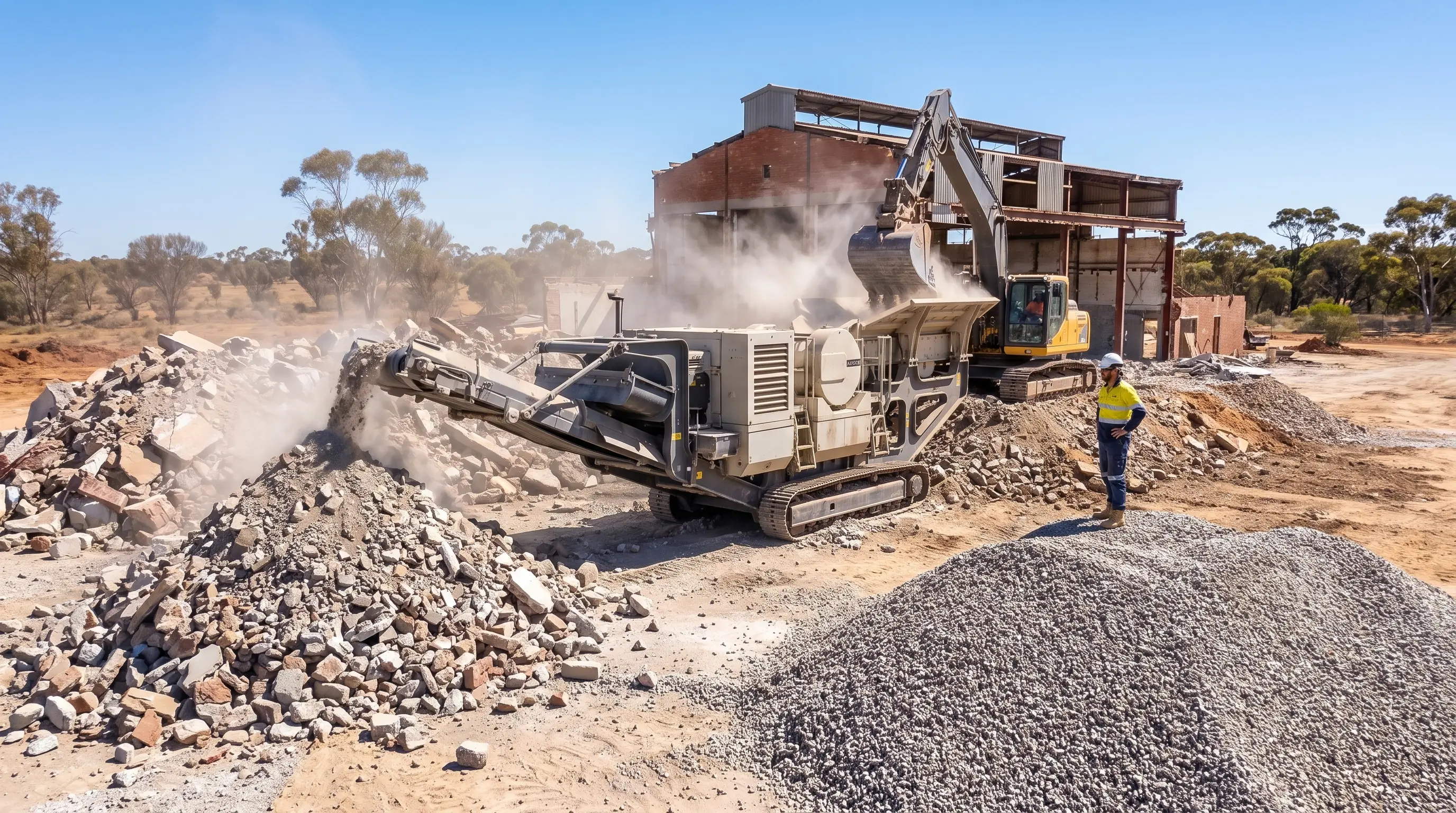
Mobile crushing is not quarrying. A mobile crusher is a self-contained crushing plant on tracks or wheels that moves between job sites under its own power. It eliminates disposal fees, long haul distances, and the wait on third-party crushers. Instead of trucking debris off site and buying aggregate back, you crush where the material sits and use the output then and there, or sell it.
The Australian market is built for this model. Striker is an Australian-owned mobile crushing, screening and conveying manufacturer. Global demand for construction aggregates and recycled concrete is surging, driven by infrastructure projects and urban expansion. In a country where distances between job sites and disposal facilities can run hundreds of kilometres, cutting out the haul leg changes the economics of every project. Australian contractors who already run excavators and loaders are halfway to a crushing operation before they buy a single new machine.
Step 1. Register, Get Permits and Handle Compliance First
No machine lands on site before the paperwork is in order. In Australia, the starting point is an ABN and GST registration through the Australian Business Office. From there, the licences and permits your operation needs depend on your state, your council area, and the specific sites you work on.
The central resource is the Australian Business Licence and Information Service (ABLIS), which lets you search for every licence and permit your business type and location require. Environmental compliance is the one that catches newcomers off guard. Dust suppression, typically water spray bars at transfer points, is mandatory in most jurisdictions. Noise regulations may restrict your operating hours or require sound-dampening measures near residential zones. Check with your council and state environmental authority before you commit to a machine, not after.
Step 2. Choose the Machine That Fits Your Work, Not the Biggest One
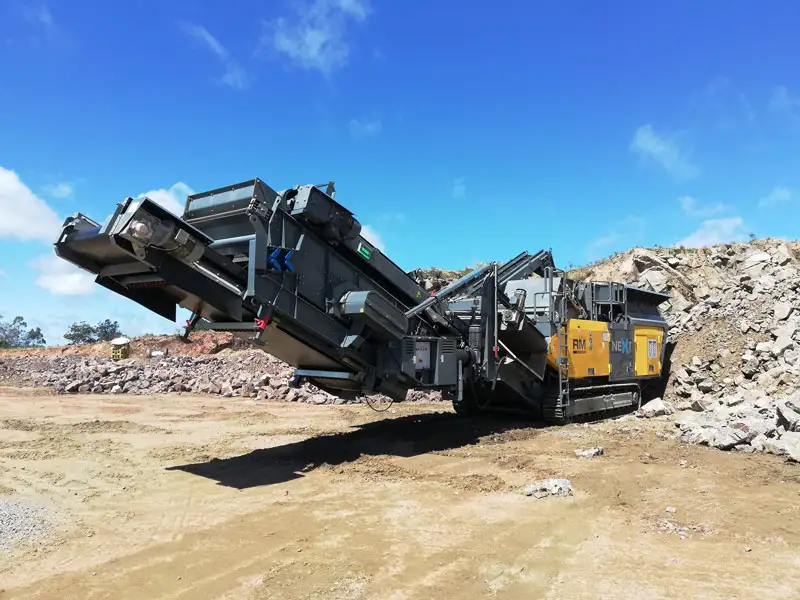
Mobile crushers split into three types. Jaw crushers handle primary crushing of hard, abrasive rock like granite and basalt. Impact crushers produce cubical aggregate from softer materials and recycled concrete. Cone crushers deliver consistent sizing in secondary and tertiary stages. The wrong choice is expensive to unwind.
On price, wheel-mounted crushers range from $80,000 to $300,000. Tracked crushers, which move independently across rough terrain under their own power, cost $100,000 to $400,000 and up. In the Australian market specifically, mobile crushing plants are listed between $156,000 and $983,120, averaging $335,589. That spread tells the real story: you can enter at the compact end without betting the business on a single piece of iron.
For newcomers, compact mobile crushers are the smartest entry point. They cost less to buy, move on a standard trailer, need one or two operators, and deploy in under 15 minutes on site. Jawscrushers.com.au supplies compact crushers to contractors entering mobile crushing through brands like Komplet and RUBBLE MASTER, and the conversation Craig and Warwick have with every new operator starts the same way: size the machine to the work you actually have, not the work you hope to win. Browse the crusher range to see what fits, and if you are not ready to buy outright, crusher hire lets you prove the model before committing capital.
Many contractors entering the space already own most of the support equipment they need. An excavator or loader to feed the hopper, a truck for material movement, and a water source for dust suppression. A mobile crusher plugs into an existing fleet rather than demanding a new one.
Step 3. Build the Dual-Revenue Model: Tipping Fees In, Aggregate Out
The reason mobile crushing pencils out faster than most contractors expect is the second revenue stream. Concrete and asphalt recycling often yield higher profit margins than virgin rock crushing because the operator collects inbound tipping fees on waste material while simultaneously selling processed aggregate out the gate.
Here is how it works. A demolition crew or builder pays you to take their clean concrete and asphalt debris, because the alternative is driving it to a landfill that charges by the tonne. You crush that material on site or at your yard. The same material, now sized into road base, drainage aggregate or backfill, sells to other contractors or goes into your own projects. You have been paid twice for the same stockpile: once to take it in, once to send it out.
This model protects against seasonal slowdowns. Even when construction demand dips, demolition waste keeps arriving, and the tipping-fee revenue covers your operating costs while stockpiles build for the next peak.
Step 4. Run It Like a Production Line, Not a Side Hustle
A crusher will break. That is the nature of the work, not a design flaw. Successful operators run daily inspections, replace wear parts before they fail, and treat crushing as a repeatable production process. Jaw dies, cheek plates, toggle plates and conveyor belts are consumables, not surprises. Order them before you need them.
Operator skill matters more than most newcomers assume. Feeding a crusher is not the same as loading a dump truck. The operator needs to maintain a consistent material flow, recognise when feed material changes, and adjust the closed-side setting to balance product size against throughput. One trained operator maintaining steady feed can lift daily output materially without touching the machine’s rated capacity.
Maintenance discipline separates the operators who last from the ones who get out after 18 months. The morning inspection takes 20 minutes and catches the loose bolt or worn belt that would have become a two-day shutdown by Wednesday. Compact crushers keep this manageable for contractors who are used to heavy equipment but new to crushing. You are not running a quarry. You are running a mobile plant that happens to crush rock.
Is This the Right Move for You?
Starting a mobile crushing business makes sense if you regularly handle concrete, asphalt or natural rock, face rising disposal and hauling costs, and are willing to treat crushing as a disciplined process. It is probably not the right move if crushing work is rare or unpredictable, you lack trained operators, or you prefer the simplicity of fixed-price outsourcing to a third-party crusher.
The entry barrier is real but lower than it looks. A compact tracked crusher, an excavator you already own, and the permits sorted through ABLIS get you started. The rest is learning the material, dialling in the feed rate, and building relationships with local builders and demo crews who need somewhere to dump clean concrete. Most contractors who succeed start by crushing their own material, learn their production rates and costs in a controlled environment, and expand with screens and stackers once the numbers prove out.